
Keeping kids’ artwork organized can feel like a never-ending challenge for many parents. From colorful drawings and paintings to 3D crafts, children’s art is a wonderful way to celebrate their creativity. However, the sheer volume of projects can quickly become overwhelming. The good news is that with a few practical strategies, you can preserve those precious creations while keeping your home neat and clutter-free.
In this post, we will explore helpful tips for organizing kids’ art in a way that’s both manageable and meaningful.
Why Organizing Kids' Art Matters
Before diving into the how-to, it’s important to understand why keeping artwork organized is beneficial:
– Preserves memories: Your child’s art documents their growth and imagination over time.
– Reduces clutter: Storing artwork neatly prevents piles of paper and crafts from taking over living spaces.
– Keeps projects accessible: When organized, you can easily find and enjoy your favorite pieces.
– Teaches organization: Modeling tidiness helps children develop their own organizational skills.
Step 1: Establish a Dedicated Art Space
The first step to controlling the art clutter is to create a specific space for art activities and storage.
Create an Art Station
– Set up a table or desk where your child can create freely.
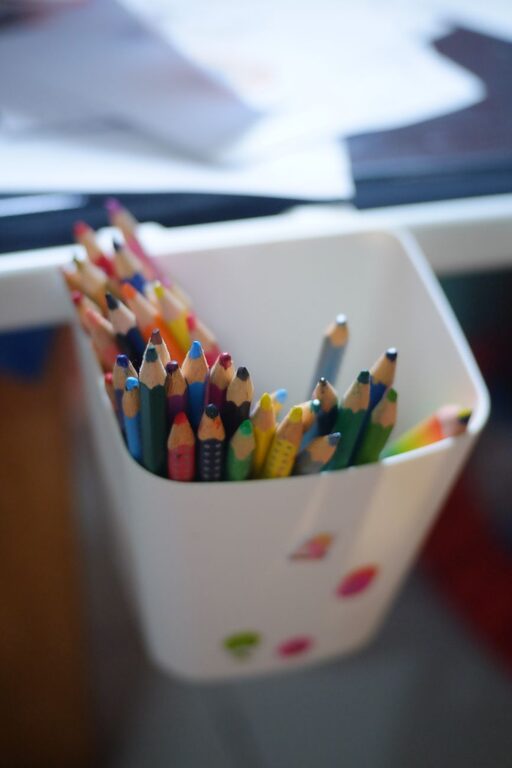
– Keep supplies like crayons, markers, glue, and scissors organized in bins or jars nearby.
– Having a designated area helps contain mess and encourages cleanup after projects.
Designate an Art Storage Area
– Use a shelf, cabinet, or drawer specifically for storing finished artwork.
– Consider clear plastic bins or boxes labeled by year or child’s name.
– Keep this area accessible so it becomes a natural part of your routine.
Step 2: Display Select Pieces
Children love seeing their work displayed, and it can brighten your home décor!
Use Frames or Corkboards
– Hang a rotating gallery wall where a few favorite pieces are showcased.
– Change artwork periodically to keep the display fresh.
– Corkboards or magnetic strips offer flexible options to pin or clip new creations.
Digital Display
– Take photos of art and create a digital slideshow on your computer or a digital photo frame.
– This is especially useful for larger or 3D projects that are harder to store physically.
Step 3: Sort and Curate Regularly
It’s easy for artwork to accumulate quickly, so regular sorting sessions help manage the volume.
Set Limits
– Decide how many pieces you want to keep each month or school year.
– Keep the most meaningful or well-executed works.
Involve Your Child
– Let your child choose their favorite pieces to keep.
– This teaches decision-making and respect for their own creations.
Discard with Care
– Recycle or repurpose artwork that doesn’t make the keep pile.
– Use old drawings as gift wrap, cards, or in craft projects.
Step 4: Store Artwork Efficiently
For the artwork you decide to keep, proper storage is key.
Use Portfolios and Binders
– Large artist portfolios or expandable folders work well for flat drawings and paintings.
– Clear sheet protectors in binders keep pages safe and easy to flip through.
Create a Filing System
– File artwork by date, theme, or child’s age in labeled folders or boxes.
– Use vertical magazine holders or flat file drawers to save space.
Preserve 3D Crafts
– For sculptures or bulky items, designate a special box.
– Photograph large pieces before recycling if keeping them is not feasible.
Step 5: Digitize for Longevity
Digitizing artwork is an excellent way to save space while preserving memories.
Photograph or Scan
– Use a smartphone or scanner to capture high-quality images of each piece.
– Store digital files with clear labels and dates.
Create Digital Albums or Books
– Compile photos into digital albums that can be shared with family.
– Consider printing photo books as keepsakes without the clutter.
Bonus Tips for Busy Parents
– Set a routine: Schedule monthly or quarterly times to organize new art.
– Use apps: Try apps designed for saving kids’ artwork digitally.
– Get creative: Turn artwork into gifts, calendars, or decorations.
– Celebrate progress: Keep some artwork from different stages to show growth.
Conclusion
Organizing kids’ art is not just about tidiness; it’s about honoring your child’s creativity in a way that’s sustainable for your home. By dedicating spaces, displaying favorites, sorting regularly, storing thoughtfully, and digitizing memories, you can keep artwork manageable and meaningful.
With these tips, you’ll both enjoy the art and reduce the clutter—making room for more creativity to come!