
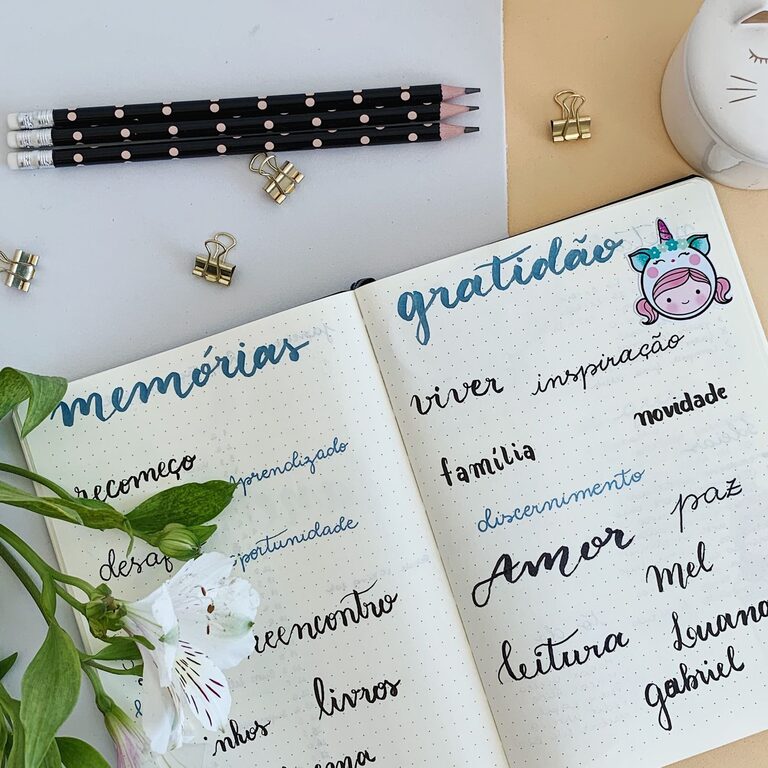
Starting a gratitude journal is a wonderful way to cultivate positivity and mindfulness in your daily life. By regularly recording things you appreciate, you can shift your focus toward the good, reduce stress, and enhance your overall well-being. If you’re new to journaling or looking for some tips on how to begin, this guide will walk you through everything you need to know.
What is a Gratitude Journal?
A gratitude journal is a personal notebook or digital space where you consistently write down things you are thankful for. These entries can be big or small—anything that brings you joy, peace, or appreciation. The goal is to create a habit that helps you notice positive moments you might otherwise overlook.
Benefits of Keeping a Gratitude Journal
Before diving into how to start, it’s helpful to understand why a gratitude journal can be so beneficial:
– Improves mental health: Regularly focusing on positive aspects of life can lower anxiety and depression.
– Enhances sleep quality: Writing about gratitude before bed may help calm your mind and promote better sleep.
– Strengthens relationships: A grateful mindset can increase empathy and reduce aggression.
– Boosts happiness: Recognizing daily blessings encourages a more optimistic outlook.
– Encourages mindfulness: It helps you stay present and appreciate the here and now.
Knowing these benefits can motivate you to make journaling a consistent practice.
Choosing Your Journal
You have several options when selecting a journal for your gratitude practice:
– Physical notebook: A simple lined or blank notebook works perfectly. Choose one you like, as it will encourage regular use.
– Pre-made gratitude journals: These often include prompts and space to write, making it easier to start.
– Digital journaling apps: If you prefer typing or want to journal on the go, apps like Day One or Notes can be convenient.
– Bullet journals: Combine gratitude entries with other planning or creative layouts.
Pick the format that feels most natural and enjoyable for you.
Setting Up Your Gratitude Journal Routine
Consistency is key to reaping the benefits of gratitude journaling. Here’s how to create a routine that sticks:
1. Choose a Regular Time
Decide when you’ll write in your journal. Many people find that morning or evening works best:
– Morning journaling can set a positive tone for the day.
– Evening journaling helps reflect on the day’s good moments before sleep.
Experiment and see what fits your schedule.
2. Start Small
You don’t need to write pages each day. Even 3 to 5 things you’re grateful for is enough to build the habit.
3. Be Specific
Instead of writing vague entries like “I’m grateful for my family,” try to focus on something more detailed, such as “I’m grateful for the phone call I had with my sister today.”
4. Use Prompts if Needed
If you find it hard to start, prompts can guide your thoughts. Examples include:
– What made me smile today?
– What is one thing I love about my home?
– Who is someone I appreciate and why?
5. Don’t Worry About Perfection
Your entries don’t need to be perfect or long. The key is honesty and reflection.
Ideas to Inspire Your Entries
Here are some categories to consider when writing your gratitude journal:
– People in your life (family, friends, coworkers)
– Positive experiences or encounters
– Personal strengths or achievements
– Nature and surroundings
– Small pleasures (a cup of coffee, a warm blanket)
– Acts of kindness you received or witnessed
– Moments of learning or growth
Variety will keep the process interesting and meaningful.
Overcoming Common Challenges
Like any new habit, journaling might come with hurdles. Here’s how to tackle some common ones:
– Forgetting to write: Set a reminder on your phone or link journaling to another daily habit, like brushing your teeth.
– Feeling uninspired: Change your location or try different prompts to refresh your perspective.
– Skipping days: Don’t be discouraged. Missing a day or two is normal; just return when you can.
– Negative mindset: If focusing on gratitude feels hard during tough times, start small by finding one simple thing, like a cozy blanket or a moment of peace.
Additional Tips for a Successful Gratitude Journal
– Review your entries: Occasionally read back through your journal to see how your outlook evolves.
– Combine with other self-care: Use journaling as part of a broader routine that includes meditation or exercise.
– Share your gratitude: Telling someone what you appreciate about them can strengthen your connection.
– Make it a creative space: Add drawings, photos, or stickers to personalize your journal.
Final Thoughts
Starting a gratitude journal is an easy and effective way to enhance your well-being. Remember, there’s no right or wrong way to do it—what matters is making it meaningful for you. With time, this simple habit can lead to deeper happiness and a greater appreciation for life’s everyday moments.
Happy journaling!